
‘It’s About Helping Patients Maintain Their Long-Term Quality of Life’
Adult cancer survivors in the United States face a higher risk of developing cardiovascular disease compared with people who have never had cancer.
That’s why as part of National Cancer Survivors Month, ThedaCare is emphasizing the importance of protecting long-term heart health for individuals who are undergoing or have completed cancer treatment.
“When certain cancer treatments affect the heart and blood vessels, the complication is known as cardiotoxicity,” said Dr. Abdallah Malkawi, an interventional cardiologist with ThedaCare Cardiovascular Care. He treats people who develop cardiovascular side effects related to cancer treatment. “Depending on the cancer therapy used, subsequent health issues may develop during treatment or years later.”
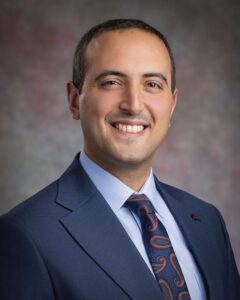
In cardio-oncology, cancer care and cardiovascular teams work together to address risks, said Dr. Joseph Bovi, a radiation oncologist and physician chief of ThedaCare Cancer Care.
“Many of the most effective cancer therapies we use today also can place stress on the cardiovascular system, particularly in patients with preexisting cardiac risk factors,” he said. “Having a dedicated cardio-oncology collaboration for our patients helps us identify problems earlier, intervene proactively and ensure patients can continue receiving potentially life-saving cancer treatment as safely as possible.”
When appropriate, Dr. Malkawi works closely with ThedaCare Cancer Care teams before a patient’s cancer treatment begins. A baseline heart health evaluation considers a person’s risks regarding past heart disease, high blood pressure, diabetes, high cholesterol, smoking history and family history of heart problems.
“What we learn helps guide monitoring and supportive cardiovascular care during treatment,” he said. “The good news is this monitoring has improved over time to help better support recommended treatment decisions.”
Together is Better to Beat Cancer
Cardio-oncology focuses on the connection between cancer treatment and cardiovascular health. Oncology teams guide cancer therapy, while cardiology teams help assess heart risk, interpret cardiac testing, manage existing heart conditions and respond promptly if side effects appear. This teamwork helps patients continue important cancer treatment while also helping reduce the chance of serious cardiac complications.
If an oncologist discovers heart health concerns during cancer treatment, Dr. Malkawi doesn’t want them to halt cancer care.
“We can collaborate to care for that person so their cancer treatment doesn’t have to stop,” he said. “Working together may include customizing a monitoring plan, reviewing medications for interactions, determining the need for additional heart testing and treating symptoms early.”
Coordinated care also supports the transition into survivorship, when some people still need long-term follow-up for heart health, Dr. Malkawi added.
“Patients are an essential part of the team,” he said. “We want our patients to feel comfortable asking about possible heart-related side effects, symptoms to watch for and how their health will be monitored during and after treatment.”
Heart Monitoring After Cancer Treatment
Monitoring is important because heart problems may arise before symptoms begin. Depending on the treatment and the patient’s risk level, monitoring may include:
- Echocardiogram
- Electrocardiogram
- Blood pressure monitoring
- Lab testing
- Review of symptoms such as shortness of breath, chest discomfort, swelling, palpitations, dizziness or unusual fatigue
Monitoring does not always end when cancer treatment ends. Some effects may appear later, especially in survivors who received certain therapies that are known to adversely affect the cardiovascular system.
“As part of National Cancer Survivors Month, we remember that survivorship means more than finishing treatment,” Dr. Bovi said. “It’s also about protecting long-term wellness, including heart health.”
ThedaCare teams provide coordinated care, focus on prevention, monitor closely and treat problems early. This helps people balance effective cancer treatment with cardiovascular health so they can live their unique, best lives, Dr. Bovi said.
“Cancer treatment today is not only about curing disease. It’s about helping patients maintain their long-term quality of life,” he said. “By partnering closely with our cardiology colleagues before and during treatment, we can better personalize therapy, reduce complications and support survivorship from day one.”
Connect with ThedaCare Cancer Care and ThedaCare Cardiovascular Care to receive coordinated support for cancer treatment and heart health.

About ThedaCare
For more than 115 years, ThedaCare® has been improving the health and well-being of the communities it serves in northeast and central Wisconsin. The organization delivers care to more than 650,000 residents in 17 counties, and employs approximately 7,000 providers and team members at 180 points of care, including 10 hospitals. As an organization committed to being a leader in Population Health, team members are dedicated to empowering people to live their unique, best lives. ThedaCare is a not-for-profit health system with a level II trauma center, comprehensive cancer treatment, stroke and cardiac programs, as well as primary care. ThedaCare also partners with communities to understand needs, find solutions together, and encourage health awareness and action. ThedaCare is part of Froedtert ThedaCare, Wisconsin’s most comprehensive healthcare system.
For more information, visit thedacare.org or follow ThedaCare on social media.
Date posted: June 17, 2026