
‘Children Look to Adults to Understand How Serious a Situation is’
After a tornado, children may feel scared, confused, clingy, angry, withdrawn or worried that another storm could occur. A pediatrician with ThedaCare said these reactions are normal and parents and caregivers can play an important role in helping children recover.
“It will take many kids some time to process this type of trauma but with careful, ongoing steps, adults can help children through their fears and guide them to a sense of restored normalcy,” said Wendy Hill, MD, a pediatrician with ThedaCare Physicians Pediatrics-Neenah.
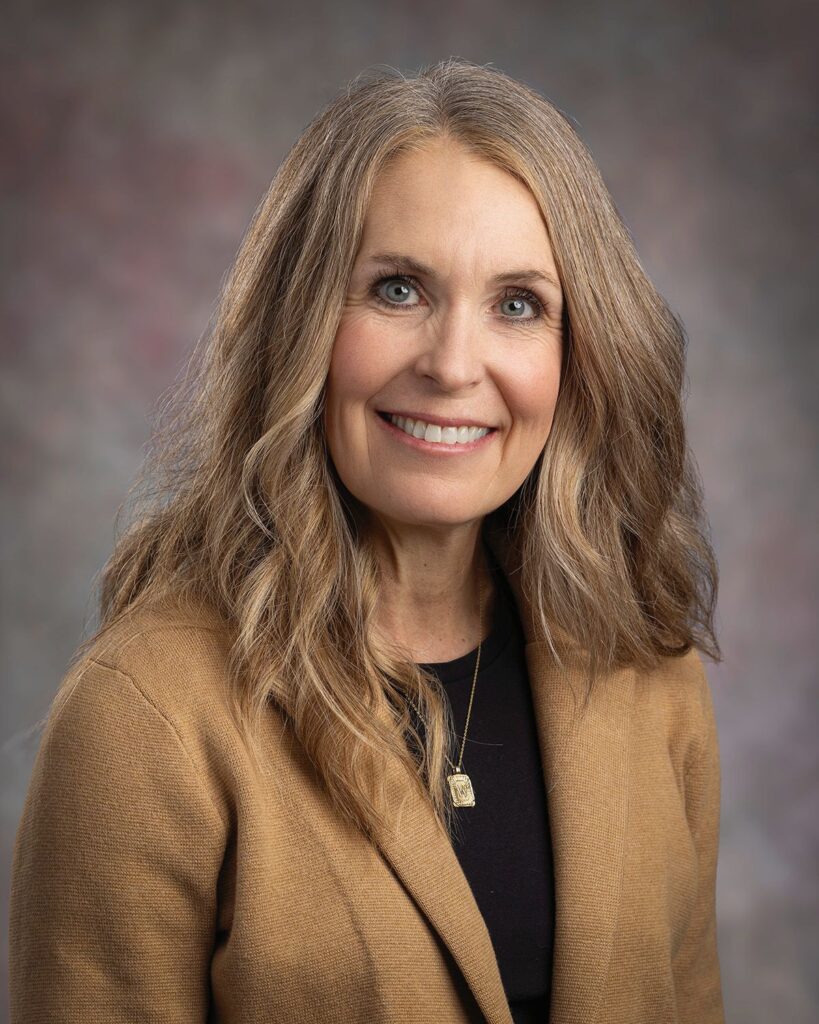
Dr. Wendy Hill
Dr. Hill encouraged parents to help provide a sense of safety for children after a tornado or similar experience. She said it’s important to maintain familiar routines, as well as provide reassurance and support.
“Children look to adults to understand how serious a situation is,” she said. “Speak calmly, even if you are upset.”
Offer a Sense of Safety, Reassurance
It’s important to let kids know they are safe, the tornado is over, adults are working to fix the damage and there is a plan for where to go if there is another warning, Dr. Hill advised.
When sharing reassurances, it’s best to keep explanations simple and age-appropriate, she said. Young children do best with short, repeated reassurance. Older children may need more details but they still benefit from calm and clear information.
“Trauma can make the world feel unpredictable,” Dr. Hill said. “Routines can help children feel grounded. Try to keep regular times for meals, sleep, schoolwork, play and family time, even if your family is staying somewhere else temporarily.”
She suggested the following:
- Small routines matter. Reading before bed, eating breakfast together or walking the dog can help children feel that life is becoming steady again.
- Let children talk but don’t force it. Some kids will want to talk about what happened and others may need time.
- Shield children from too much technology and storm coverage. After a disaster, repeated videos, photos, news alerts and social media posts can make kids feel like the tornado is happening again.
- Avoid giving children responsibilities that feel too heavy, such as worrying about money, insurance or major repairs.
Parents and caregivers also can help children ease worries about school, Dr. Hill said. “If a child’s school was damaged, they may worry about friends, teachers, routines or whether school will ever feel normal again. Be honest but reassuring.”
In such instances, parents and caregivers can explain that while the school building was damaged, adults are carefully assessing it and developing a plan to ensure it is safe. They can share with children the possibility of temporarily attending classes in a different location.
“Children’s trauma reactions can improve with time, safety and support. It’s important to give them simple ways to regain control,” Dr. Hill said.
One strategy is to give kids small choices and safe ways to help, including picking out clothes, snacks or a bedtime book, drawing thank-you cards for helpers, choosing a favorite toy to keep nearby and practicing a family storm plan.
Watch for Symptoms
Signs that a child is struggling may not always be obvious. While some kids may cry or worry outwardly, others may hold back their emotions. Symptoms may show up as:
- Irritability, emotional outbursts and defiance. “While these can be normal behaviors, especially for tweens and teens, such outbursts also can be a sign that your child is dealing with something more,” Dr. Hill said.
- Silence, withdrawal or emotional numbing. “They may tell you they’re fine when you ask them what’s wrong but you know they’re going through something,” Dr. Hill said. “You can gently offer your presence and support and tell them you’re here when they’re ready to talk.”
- Physical symptoms and trouble sleeping. Children who are not managing their emotions may complain of headaches, stomachaches, fatigue or nausea. They also may experience nightmares or have trouble falling or staying asleep.
Parents, too, should try to rest, eat, take breaks from disaster news, accept help and talk with friends and loved ones. It is OK for children to see that adults have feelings but they also need to see them finding support and taking steps forward.
“Some children need extra help after trauma,” Dr. Hill says. “Parents should seek support if symptoms continue for several weeks, interfere with daily life or seem to get worse.”
A pediatrician or family medicine physician can help. As a trusted adult in a child’s life, they can offer reassurance and assess a child’s symptoms.
“Our community has experienced a collective trauma,” Dr. Hill said. “With many caring people banding together, we can show kids the way through the trauma of this frightening event.”
Visit ThedaCare Pediatrics to explore care options.

About ThedaCare
For more than 115 years, ThedaCare® has been improving the health and well-being of the communities it serves in northeast and central Wisconsin. The organization delivers care to more than 650,000 residents in 17 counties, and employs approximately 7,000 providers and team members at 180 points of care, including 10 hospitals. As an organization committed to being a leader in Population Health, team members are dedicated to empowering people to live their unique, best lives. ThedaCare is a not-for-profit health system with a level II trauma center, comprehensive cancer treatment, stroke and cardiac programs, as well as primary care. ThedaCare also partners with communities to understand needs, find solutions together, and encourage health awareness and action. ThedaCare is part of Froedtert ThedaCare, Wisconsin’s most comprehensive healthcare system.
Date posted: August 17, 2026